
Disclaimer: This presentation reflects the views of the individual speakers only. It does not represent the views, positions, or endorsements of SAP or HanaHaus. The event was hosted to foster open dialogue and knowledge-sharing within the AI and technology community, and any opinions, tools, or approaches discussed are shared for informational and discussion purposes only.
Tartini Advisors · HanaHaus · October 8, 2026
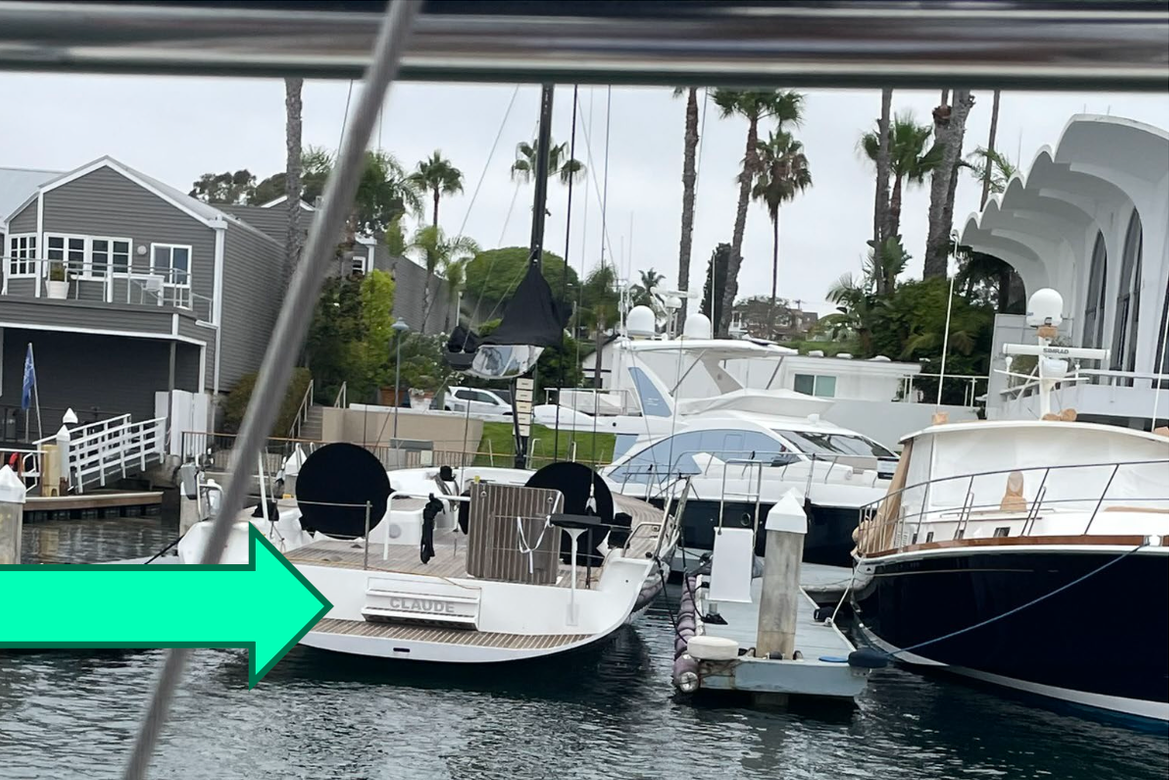
The Claude in question: a racing sailboat tied to SAP founder Hasso Plattner.
Michael Suttle, an executive coach, trumpeter, and former SAP sales leader, opened Tartini's AI Leadership for the New Era workshop with a quick poll about who knows Claude. Then he told the room they were wrong:
Claude is a boat, not a bot. That set up an evening about one idea, which is that AI is a tool and leadership is still the skill.
Many racing boats have AI on board. It's called autopilot, and nobody wins a race with it. Racing takes leadership, instinct, and courage. Plattner proved it in 1996, when he won line honours at the Sydney Hobart and set a new race record.
Know what to hand to AI
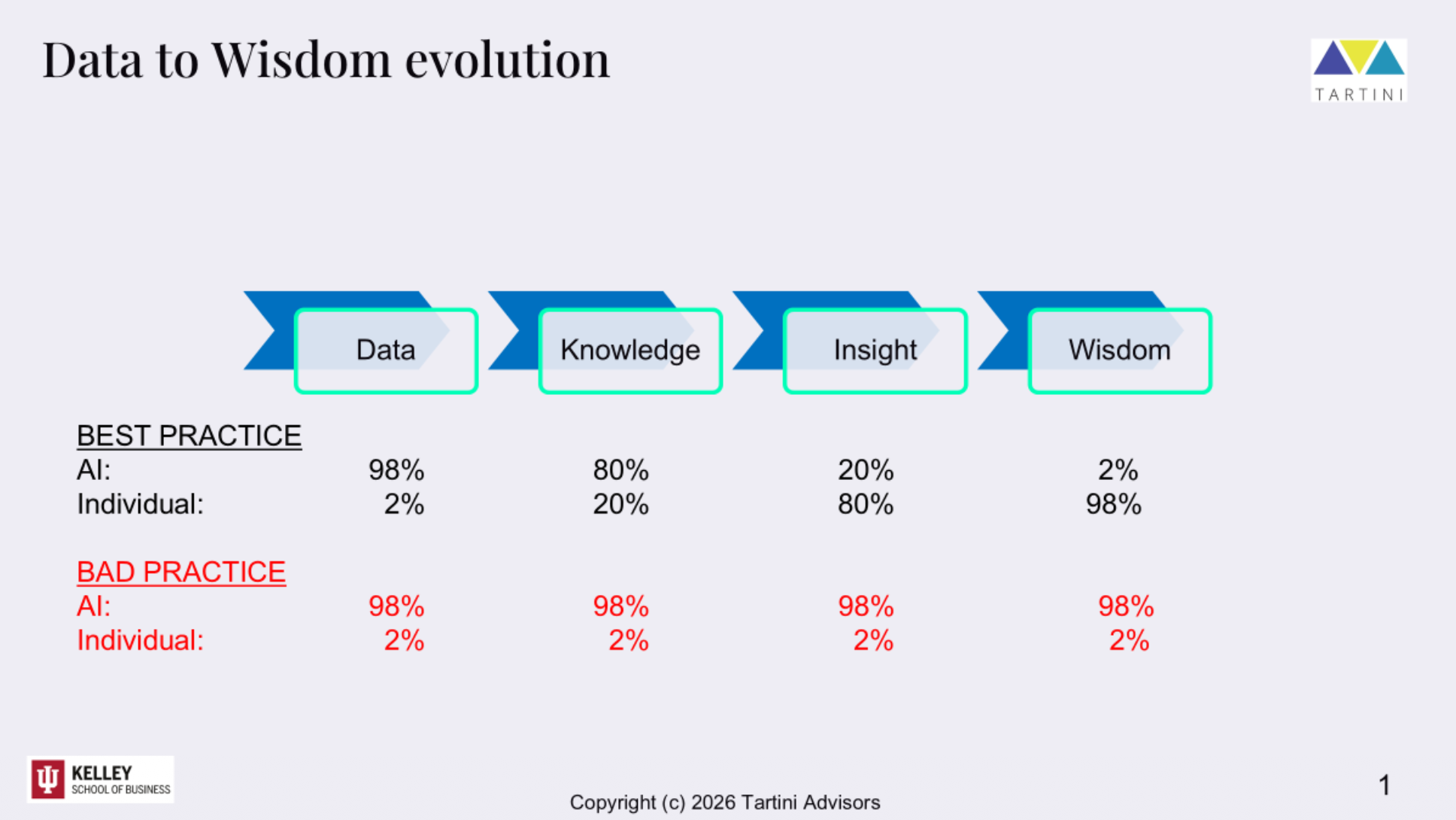
Michael's framework splits the work between AI and the person at four stages. AI can handle nearly all of the data work and most of the knowledge work. It should do little of the insight work and almost none of the wisdom work.
His warning came from a startup sales head who delivered a polished AI-written customer acquisition plan and couldn't explain or execute it. His point: it's about doing the things, not just knowing the things.
The room had plenty to add:
Insight is not intuition. AI can derive insights, but the gut feel that sits between insight and wisdom is still human.
You need the knowledge to catch the errors. Models make mistakes and pull in irrelevant context, and discretion about what belongs is a human job.
Own the result. Several people read every AI draft until they could defend it, and noted that doing so often takes nearly as long as doing the work directly.
Decency is unproven. Nobody in the room knew whether a model can be taught ethics.
The right person for the job
Two analogies made the case. Starbucks hired a consultant with a stellar résumé and little operating experience, then replaced him with Brian Niccol, an operator from Chipotle. And the Wilson T2000 racket only shines in the hands of a great player, like Billie Jean King and Jimmy Connors. Tools reward the people who know how to use them.
On jobs, Michael suspects the fear is overstated. He sees an echo of the worry over personal computers and synthesizers, and he asked who took the jobs of music copyists, computer operators, and travel agents.
Regulation: the big debate
Michael argued for regulation, using banking as his example. After the 2008 crisis, Wells Fargo's chair called the stress tests "asinine," and Wells Fargo later paid a $185 million penalty for its fake-accounts scandal. Yet today JPMorgan is worth more than Europe's four biggest banks combined. His case: American finance succeeded because of regulation, not in spite of it.
He pointed to Bill Gates, who called AI “the most dangerous thing humans have gone near.” The room pushed back thoughtfully:
Regulate industries, not the technology. Several attendees compared AI to the internet, which was regulated through the industries built on it. Others said regulation is a natural stage of growth.
Regulation is discipline. Michael wants rules "for" continued success, not "against" something. Jazz players improvise on agreed chord changes, and those chords are the discipline.
Standards, governance, and enforcement. Standards help us communicate, governance is the ethical rails a company sets for itself, and regulation is enforceable. The open questions were who writes the rules and who enforces them.
Takeaways for leaders
AI is the autopilot, not the skipper. Judgment still wins the race.
Own what you ship. If you can't explain it without the AI, you haven't earned it.
Match the tool to the task. Lean on AI for data, keep insight and wisdom human.
Start on governance now. Set ethical rails in your company and expect regulation to follow in your industry.
Michael’s recommended reading list:
AI Superpowers by Kai-Fu Lee, Empire of AI by Karen Hao, and Leading Without Authority by Keith Ferrazzi.
To learn more or book a discovery session, contact Michael Suttle at rms@tartiniadvisors.com.
Disclaimer: This post was written with the assistance of AI, based on a recording on the event.
Join us for the next one on Thursday, November 5th!